The Long Game
We test riders so we can say we tested them.
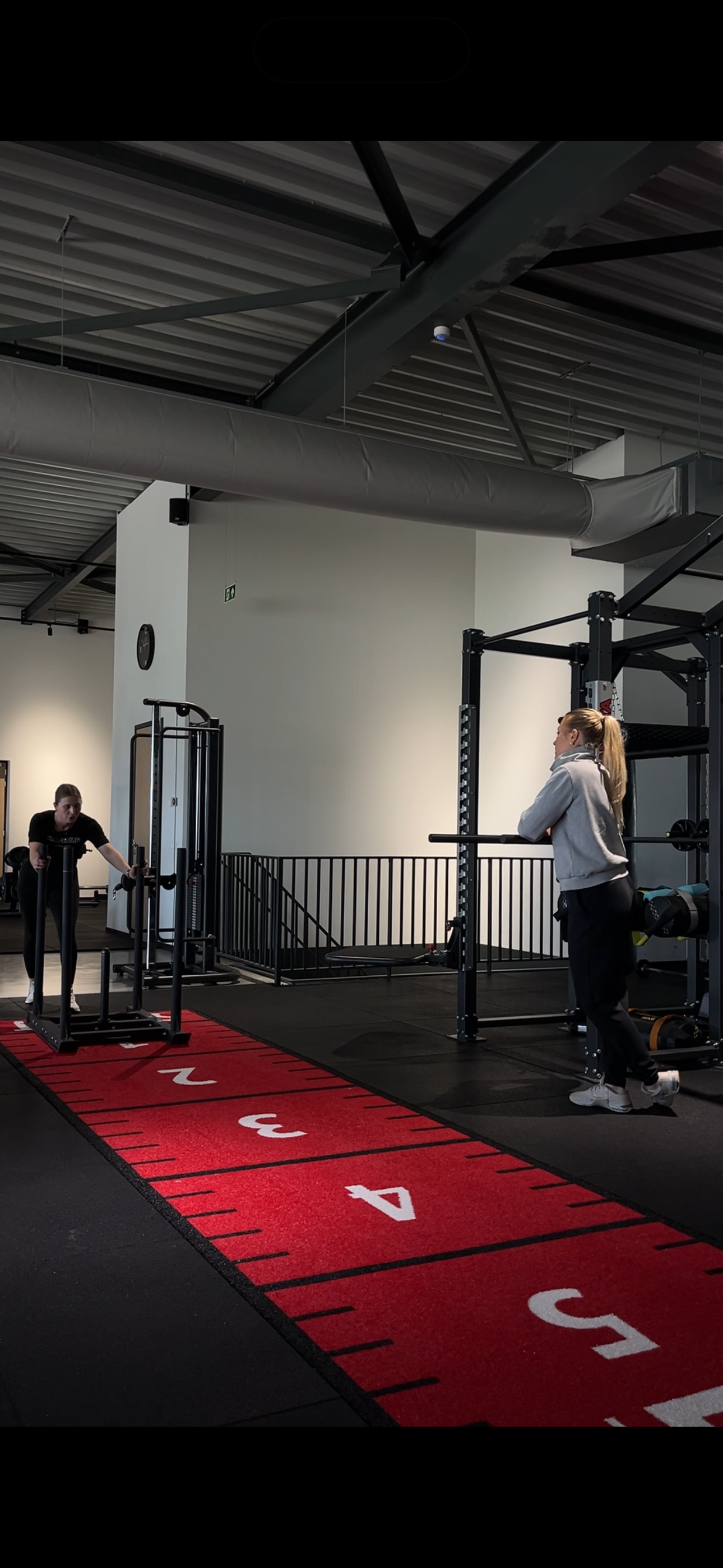

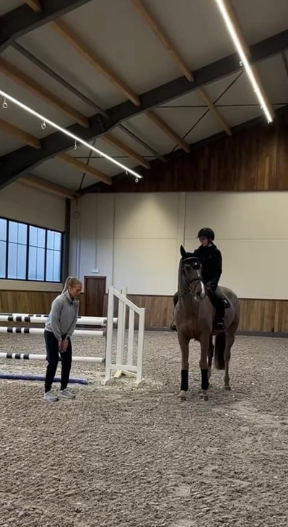


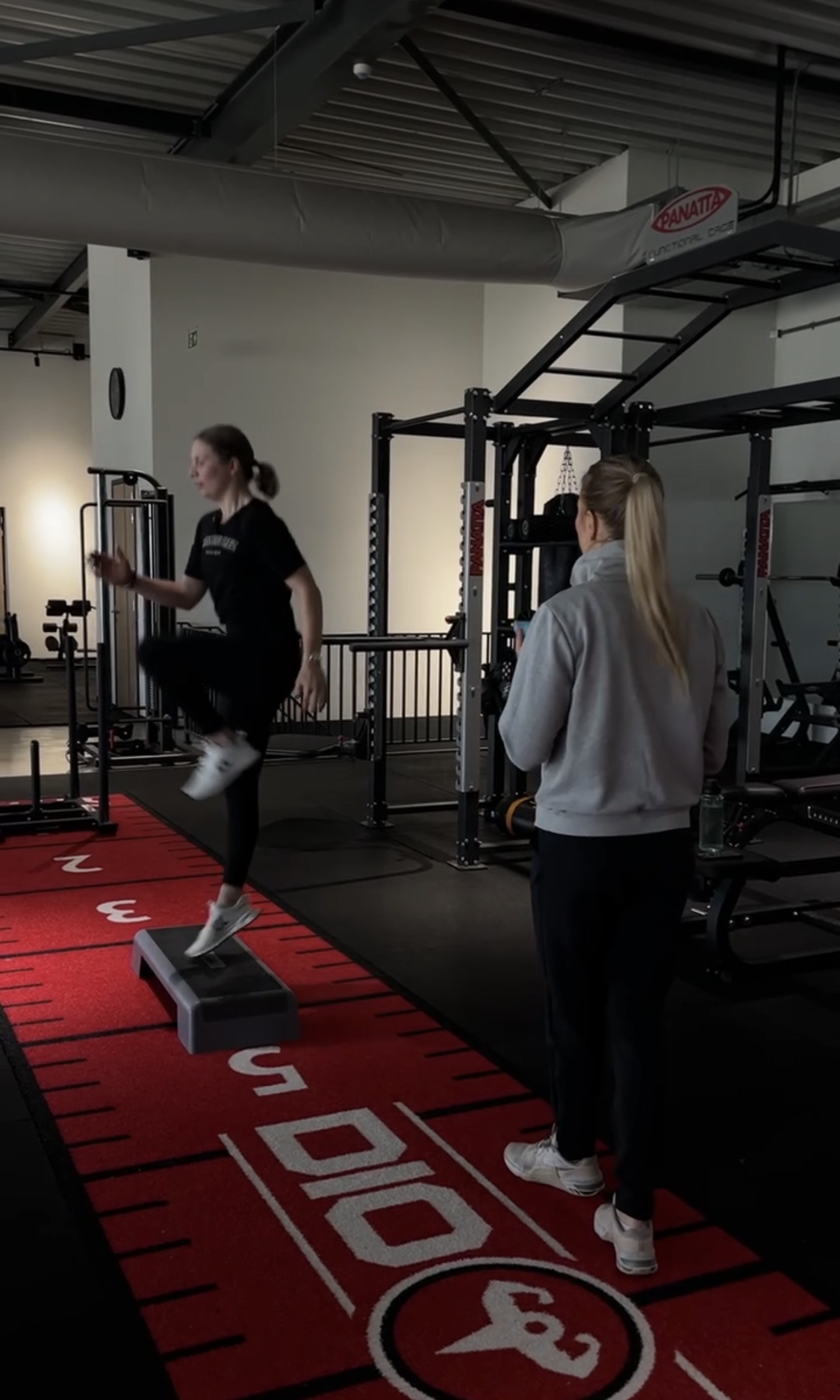
I have worked as a performance coach in this sport full time for 5 years now and every year I see national and regional equestrian teams gather their riders for physical testing weekends. Riders travel and pay hundreds of euros to get tested across a battery of strength, mobility and aerobic tests and then go home. The results get emailed to the riders and someone might show them a few exercises. The aim was to help them improve as riders but as a result, almost nothing changes in how those riders actually train or prepare their bodies for the demands of the sport.
We are in the situation where we are testing, so that we can say we have tested and this pattern is so widespread and so accepted that most people inside the sport don't question it anymore.
“Testing is what serious sports programs and academies do.”
“Testing signals investment in athlete development.”
“Testing gives us data.”
And data feels like progress, even when nothing is actually being done with it. But if we're honest about what physical testing without a surrounding process actually delivers, the answer is: very little.
“And data feels like progress, even when nothing is actually being done with it. But if we're honest about what physical testing without a surrounding process actually delivers, the answer is: very little.”
The gap between testing and training.
A test result tells you where a rider is on that given day but the system we have now fails to explain about why they're there, what specifically is limiting their riding performance, or what they need to do differently in their training to actually improve as riders. Just having a vo2max or a vertical jump result is not enough. Without processes that carry forward from the testing weekend into the daily reality of the rider's life, the data sits in a spreadsheet and the rider goes back to doing exactly what they were doing before.
Testing without process is an expensive way to feel like you're doing something and the more useful question is not how to improve the test battery, but why the testing exists in the first place. If the goal is to understand each rider's physical baseline so that their development as riders can be supported more effectively, then the test is only the starting point of the work and what comes after matters far more than the test day itself.
Every other elite sport gets this. Equestrian sports doesn't.
In almost every other elite sport, this sequence is understood. Football academies use testing data to build individualised training pathways and assign dedicated performance staff to track progress across a full season. Formula 1 teams don't just test their drivers' fitness annually and consider the job done, the testing feeds a continuous process of optimisation that runs year-round. Simply put: testing helps us to know what to do (the process in everyday life) and then the process itself serves the performance in the sport. Equestrian sport has adopted the testing part and largely left everything else behind.
“If the goal is to understand each rider's physical baseline so that their development as riders can be supported more effectively, then the test is only the starting point of the work and what comes after matters far more than the test day itself."
From testing weekend to real rider development system.
What would it look like to build the system properly? The investment currently going into annual testing weekends could instead be used to hire a performance coach within the team, so that the team would have someone working alongside the riding coaches to identify the real blockers for each rider, build training processes that make sense for riders’ individual needs and schedules, and help riders build the kind of habits that lead into actual development as a rider. The testing can still exist within that structure, but as one tool among many rather than the centrepiece of a program that has very little else around it.
This is what I have been building with the regional level in Finland this season – not just a completely re-made test battery but an attempt to build a real process where physical preparation connects meaningfully to riding development and where each rider gets an individualised workout plan that is actually connected to their riding. It is not a simple task to build something new and it requires a different way of thinking about what a national or regional program is for, but the results are already showing a big positive change compared to anything a testing weekend and a generic workout plan alone can produce.
This is not a resource gap. It's a vision gap.
And this is where Finland has an opportunity that this sport has not yet fully recognised.
We are a small country and we will never out-resource the larger equestrian nations when it comes to breeding, facilities or funding. But resources are not the only competitive edge available to us. Finland has exceptional depth of knowledge in the areas that rider performance actually depends on: physiotherapy, sports performance coaching, mental skills, the science of sustainable high performance. We have Aki Hintsa's legacy embedded in our performance culture, the understanding that success is a byproduct of wellbeing, in a way that most countries are still only starting to understand. We have the people, the methodology and the rising new frameworks and technology to build something genuinely world-leading in rider development, if we choose to challenge the existing systems.
“We have Aki Hintsa's legacy embedded in our performance culture, the understanding that success is a byproduct of wellbeing, in a way that most countries are still only starting to understand."
Building a new system requires starting from a different place than most programs currently start from. Not from testing, but from a shared vision of where we want the sport to go and what we believe a well-developed rider actually looks like at each stage of their career. From that vision, processes can be built with individualised support and development frameworks that make sense across different age groups and competitive levels. From consistent processes that are implemented well over time the culture begins to form. And a culture that has a genuine shared understanding of what matters for success in this sport and how it requires different professionals to work together is the only way that produces an opportunity for the rider to rise to the top sport.
You cannot build a high performance culture that leads to consistent results by testing once a year and hoping something sticks. Culture is built through the accumulation of daily habits and shared beliefs about what rider development actually requires. In the heart of that must be the development of the riding skills and the results that everyone in the sport wants to see are a consequence of getting those foundations for that skill development right. Physical and mental training can never replace hours in the saddle, but with those you will get a hell of a lot more out of the opportunities you can spend riding to develop your skills as a rider.
Finland has everything it needs to lead this shift in the sport. The knowledge is here but the gap between what is currently being done and what is possible is not a resource gap: it is a vision gap and vision is something we can choose to change.
The question is whether we are ready to stop waiting for someone else to lead it.
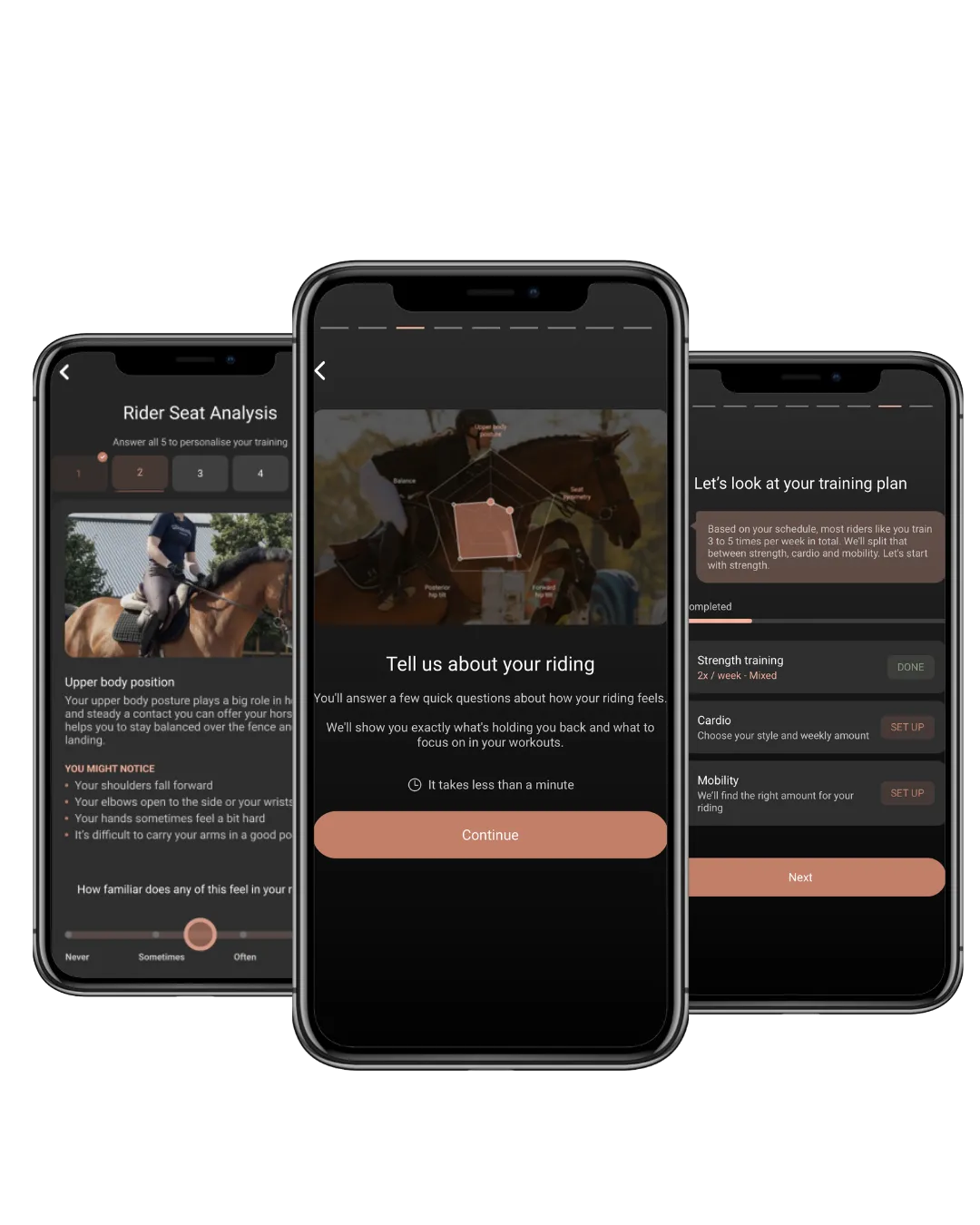
Get your Free Seat Analysis now
Get insights on your seat and know exactly how to train to improve.