The Long Game
Why riders get lower back pain and why stretching alone won't fix it
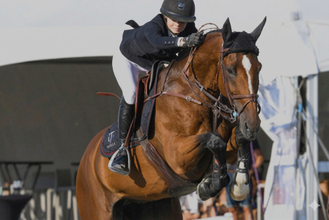
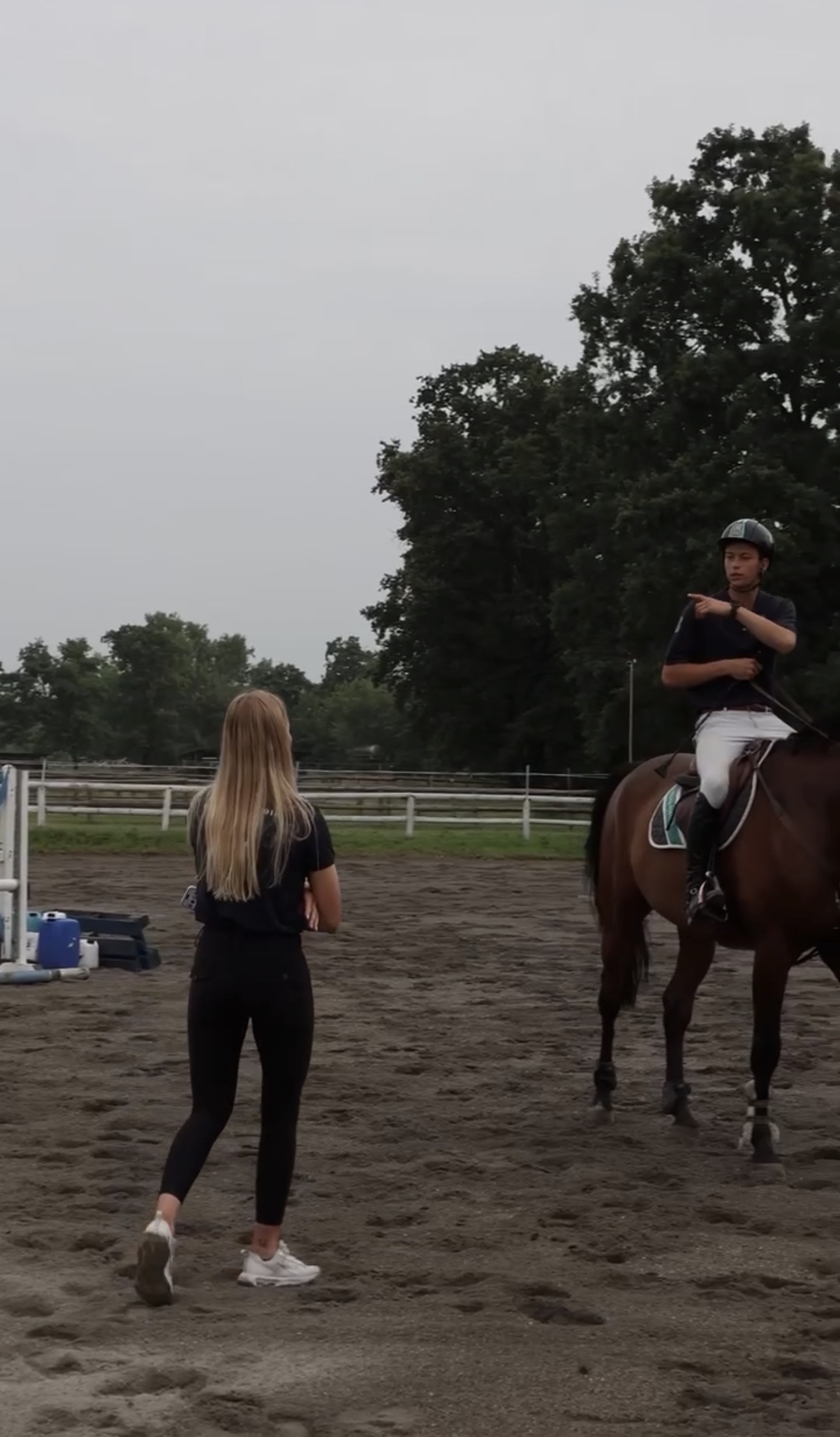
Ask any group of riders if they have ever experienced lower back pain and the majority of hands will go up. Ask them if they have accepted it as part of the sport, and most of those hands will stay up.
This is the part that I find hardest to sit with. Not that lower back pain is so common with riders and this sport, but that so many riders have simply stopped questioning it. Most professional riders I work with, we’ve started first by getting rid of their low back pain.
So, it is not part of this sport. It is a signal from your body and it is one of the most fixable things I work with.
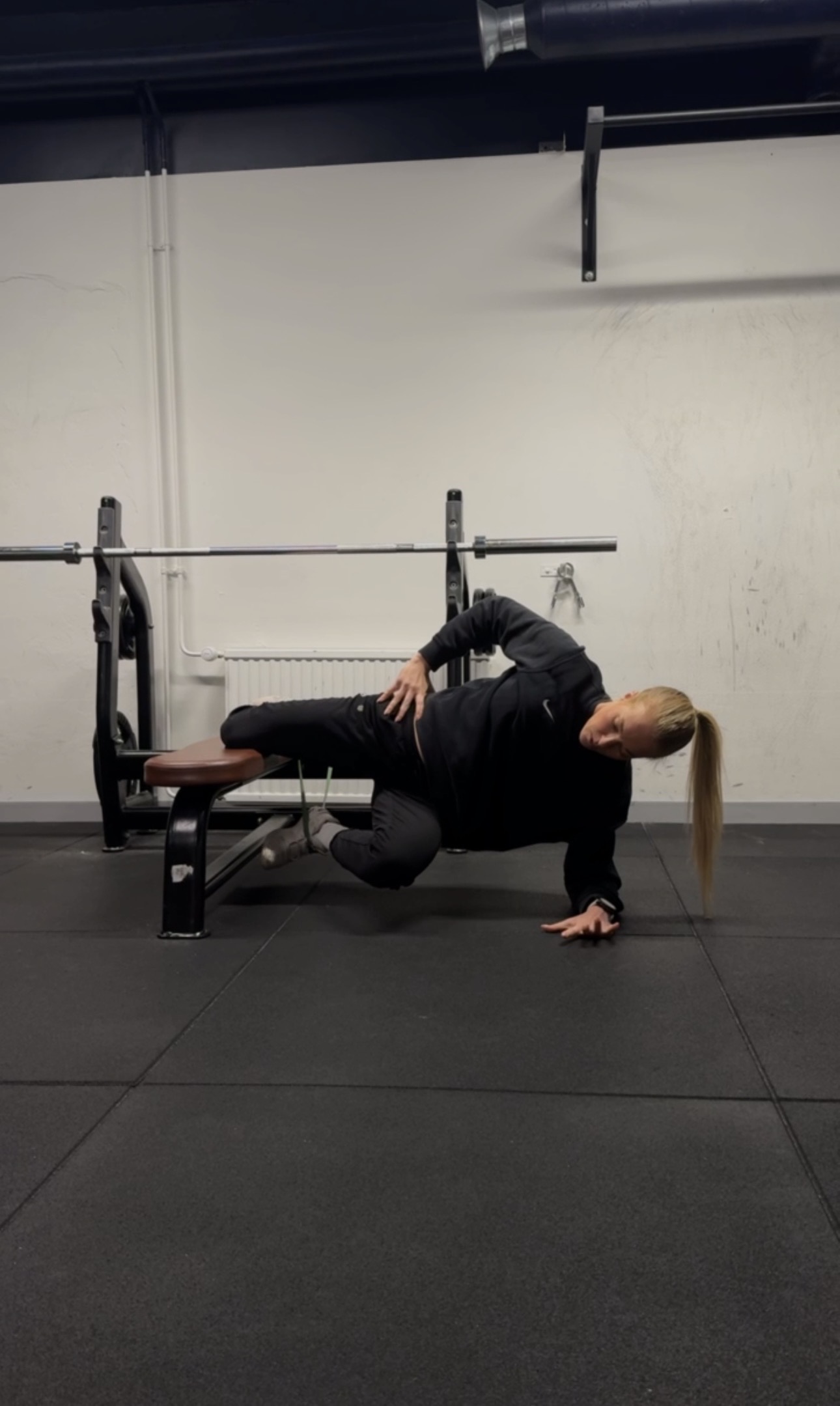
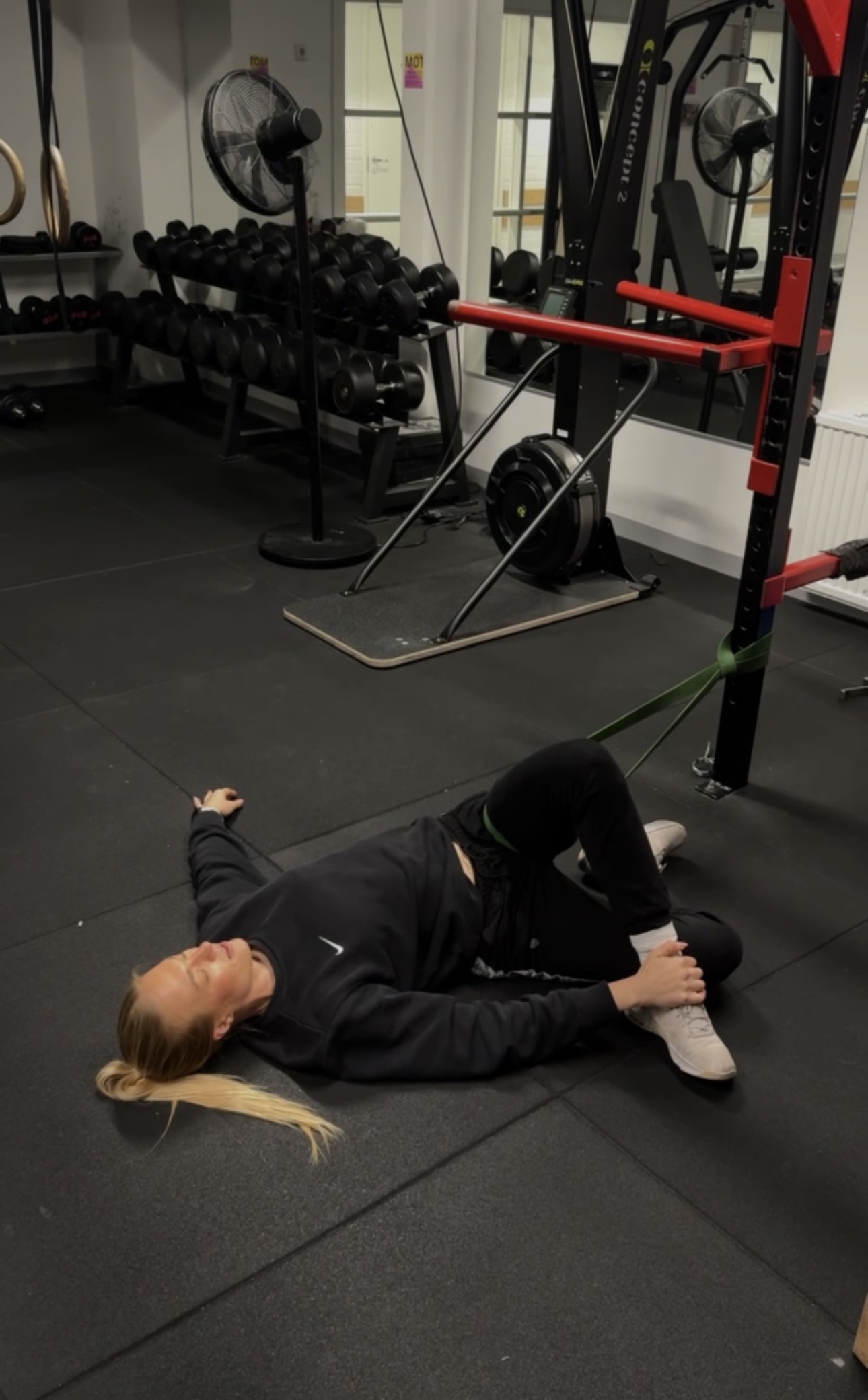
"Because what was causing it was never a back problem. It was a hip mobility problem and a core stability problem. And when you address those things with the right combination of movements, specifically hip rotations, restoring glute strength, connecting the core through the obliques, teaching the hip to stay in neutral and building the posterior chain, the back no longer needs to compensate. And when the compensation stops, the pain stops with it."
How common rider’s low back pain it actually is
A systematic review by Duarte et al., which analysed 14 studies involving 4,527 equestrian athletes, found that lower back pain prevalence in riders ranged from 27.9% to 87.9%, consistently higher than in the general population and in other athlete groups (Duarte et al., 2024).
Read that again. Up to 87.9%.
That is not a sport-specific inevitability. That is a sport-wide problem that has been normalised for so long that riders are just used to every other person sharing their experience of having lower back issues.
Your back is not the problem
Most riders who deal with lower back pain have tried massage, some have tried stretching or doing yoga. Many of them tell me they have tried to take a few days off, waited for it to ease, and then got back to riding only to feel it return within days.
None of those approaches focuses on the reason why the lower back pain is there in the first place. Because the reason is straightforward: your back is almost never where the problem begins.
Riding as a sport will make your hips stiff if all you do is ride. And when the hip cannot do its job (aka move normally), the lower back steps in to compensate. The hip joint is designed to absorb movement in multiple directions. Riding as a sport offers a very limited range of motion for the hip, which means it gradually stiffens over time if nothing is done to maintain it. A stiff hip cannot follow the horse's movement freely and it cannot absorb the forces coming from the horse. So, the lower back takes the load it was never designed to carry, repeatedly, every time you ride.
What is actually causing rider’s low back pain
A study by Kraft et al. (2007) surveyed 508 competitive adult riders across dressage, showjumping and vaulting and found a back pain incidence of 72.5%. Crucially, no significant correlation was found between back pain and riding discipline or riding intensity (Kraft et al., 2007).
That finding matters because it tells us something important. If the cause of the pain was the riding itself (the discipline, the volume, the demands of the sport) we would expect to see differences between groups. But we don't. Which means the variable is not the riding. The variable is the rider's body.
In my weekly work with riders the cause almost always comes back to the same pattern. The hip is not moving freely enough to absorb the forces that travel up through the saddle when riding. The glutes and hip extensors are not doing their job properly, the lateral chain and obliques are not providing the pelvic stability the body needs during riding and the pelvis ends up tilting forward into an anterior tilt, which curves the lower back into a position where it takes load it was never designed to carry.
Why stretching alone is not enough
Stretching addresses tension in the muscles. It does not build the strength and coordination that the hip and core need to actually support the pelvis during riding.
Think about what the lower back is being asked to do every time you ride. The pelvis needs to remain stable and neutral while also being mobile enough to follow your horse’s movement. This requires the hip flexors, the glutes, the lateral chain and the obliques to all be working together and doing their jobs automatically.
You can stretch the back every morning and it will still do this. Because the muscles responsible for taking the load away from it have not been trained to do so.
Why it changes faster than you think
This is the part that still surprises me, even after years of seeing it.
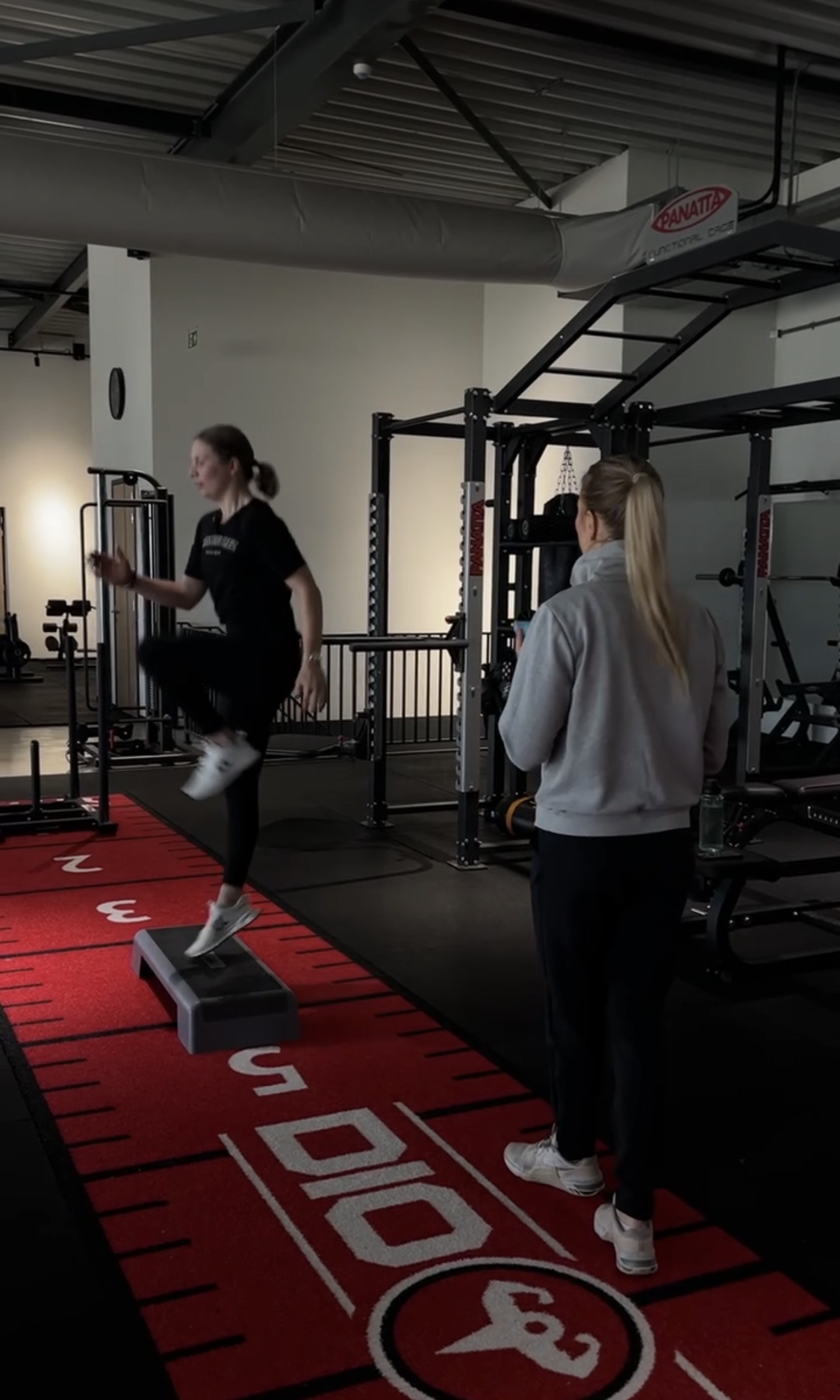
I have worked with riders who have had lower back pain for years and within two weeks of working on the right things, the pain that had been there for years is gone.
Gone.
Because what was causing it was never a back problem. It was a hip mobility problem and a core stability problem. And when you address those things with the right combination of movements, specifically hip rotations, restoring glute strength, connecting the core through the obliques, teaching the hip to stay in neutral and building the posterior chain, the back no longer needs to compensate. And when the compensation stops, the pain stops with it.
A Swedish study by Löfqvist et al. (2009) found that riders who performed physical exercise beyond riding for at least two hours per week had a 50% lower risk of developing musculoskeletal problems (Löfqvist et al., 2009).
This is why we built Equestrain App
If you have had lower back pain for a long time and accepted it as part of your riding life, I want to say something directly: you do not have to.
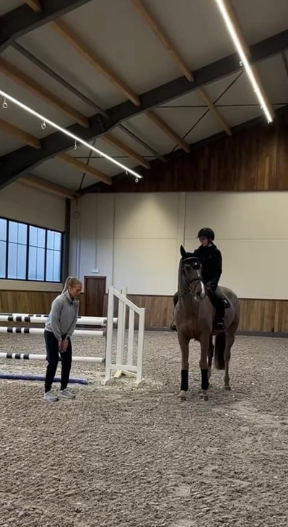
When you start with Equestrain App, we ask you exactly what you feel in the saddle and from that, we build a plan specifically designed to address the cause, not just the symptom.
Most riders feel the difference within two weeks. Not because we did something extraordinary or complicated, but because for the first time, the work was actually aimed at the right thing.

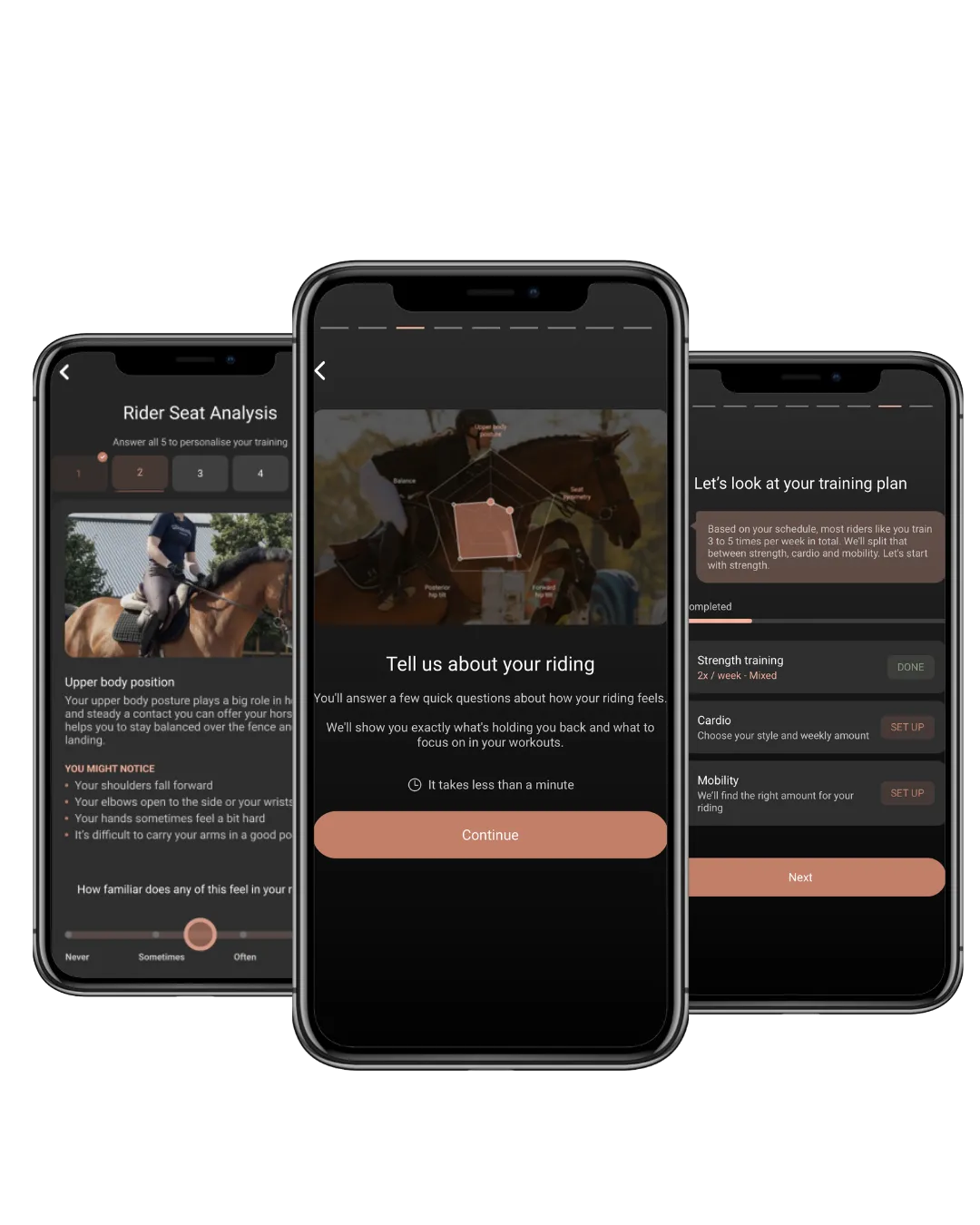
Get your Free Seat Analysis now
Get insights on your seat and know exactly how to train to improve.